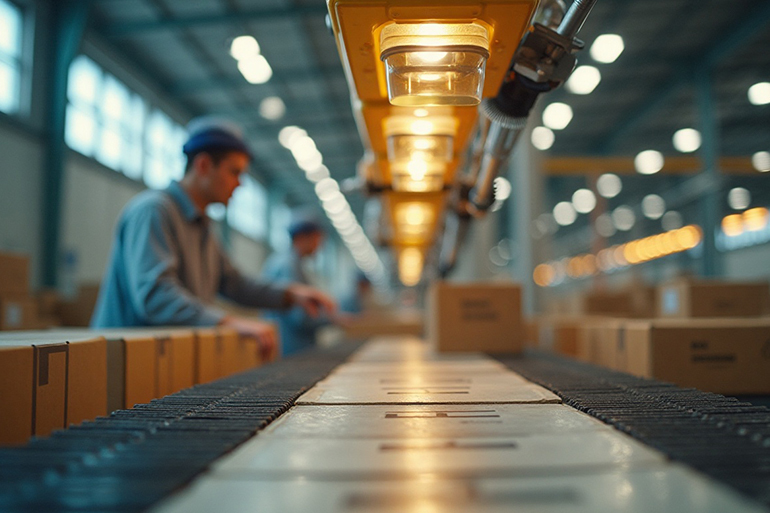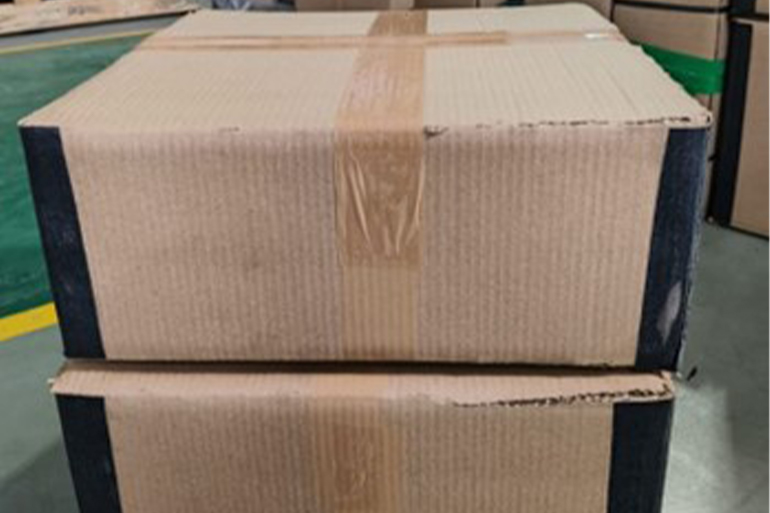
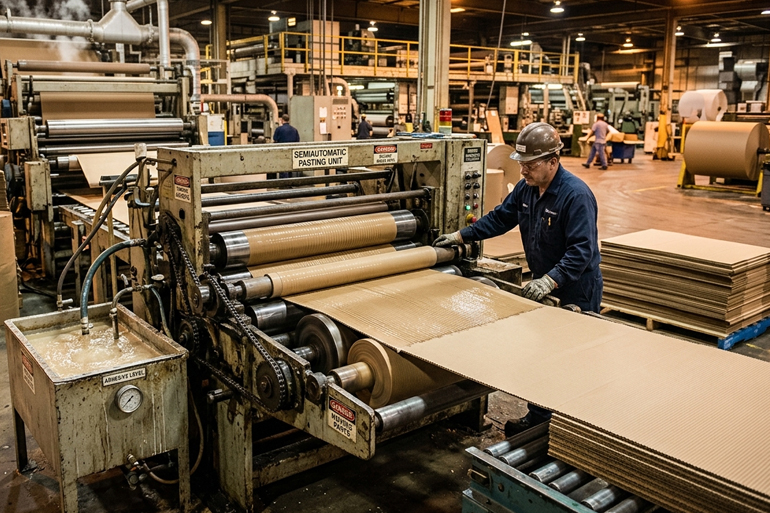
One of the most significant processes in the corrugated box manufacturing is the pasting process and the adhesive used in the process has a significant impact on the strength, look, drying time and overall quality of the finished box. If the operation is done in semi-automatic and manual plants, it becomes a necessity to choose the appropriate pasting adhesive since the production conditions, paper quality, application methods and environment may be different. The right adhesive should exhibit excellent film formation, good fibre penetration, uniform viscosity, rapid cure and secure bond. It should also be good for varying temperature and humidity.
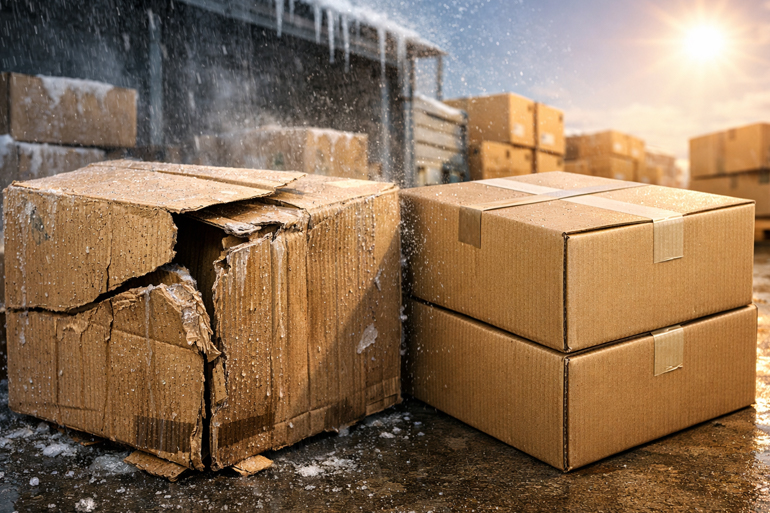
Corrugated boxes are made from layers of paper that are folded and glued together to form a sturdy, lightweight box. As the pasting process is carried out, adhesive is placed on certain regions of the board or sheet to ensure good adhesion between the paper pieces. Open seams, weak joints, peeling, flute marks, slow drying and rejection are possible issues with the adhesive if it is not compatible with the application or doesn't have adequate bond strength. The impact of these problems may be on the ability to produce and on the performance of boxes in storage and transport. The right adhesive for pasting ensures an effective bond, while still ensuring a smooth application and quick production. Therefore, choosing the right adhesive is crucial for maintaining quality in packaging production.
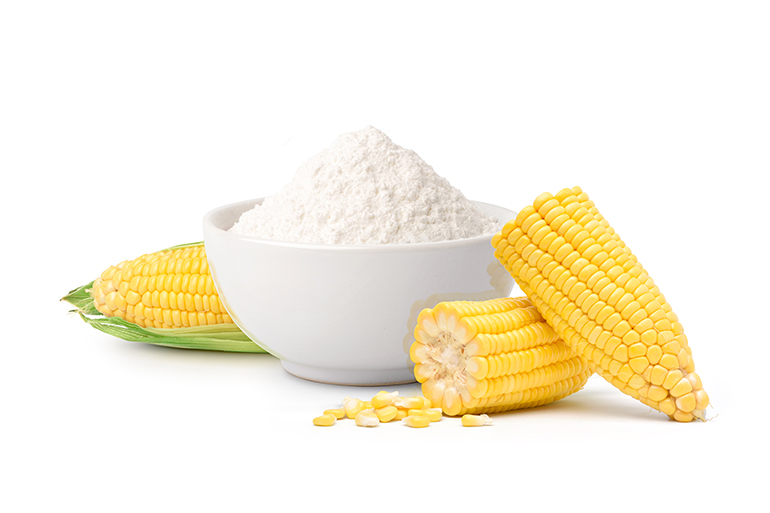
In semi-automatic or manual plants, pasting adhesives are typically chosen based on the method of preparation and the production needs. There are two premium grades of Maheshwari Starchtech, namely Hot Process Pasting Adhesive and Cold Process Pasting Adhesive. They're both made with high quality starch, but the starch is reacted with different catalysts and under different conditions.
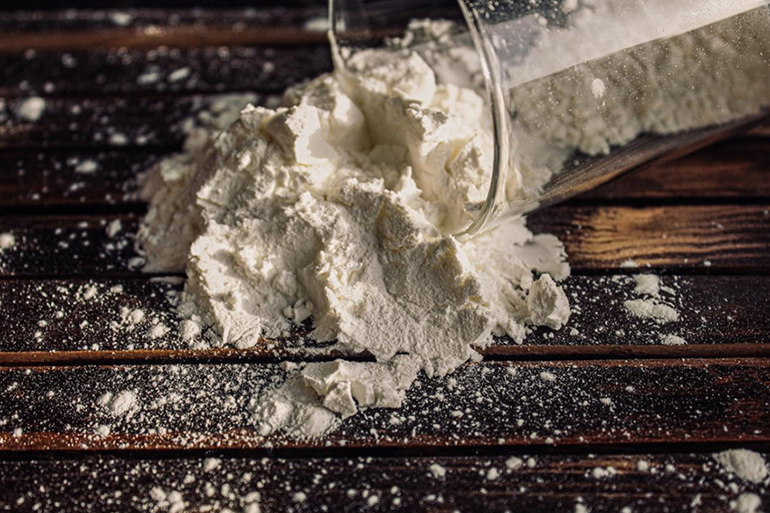
The adhesive powder is mixed with water in the recommended ratio and cooked at a temperature of about 75–80 °C in the Hot Process method for the production of adhesive. The steps result in a compatible glue that can be used in hot applications. The Hot Process grade is also having a pH level less than 9, allowing to decrease moisture absorption post-production in monsoon or humid climate. The neutral properties can also reduce the likelihood of flute or adhesive marks on boxes (virgin or imported paper).
Cold Process Pasting Adhesive is made by adding the alkali solution to the mixture of modified starch and cold water. This saves the need for heating the adhesive mixture to the temperature needed to prepare it by Hot Process. Cold Process adhesives may be recommended for plants who may be looking for a relatively more simplified preparation method. Depending on the type of paper, the machinery used, the desired viscosity, and the production conditions, the appropriate formulation should be chosen.
Choosing a pasting adhesive only according to its purchase price may not provide the best results. Manufacturers should consider several technical and operational factors before selecting a product.
The first consideration should be the way the adhesive is applied. Manual plants generally involve operators applying and controlling the adhesive, while semi-automatic plants may use rollers or other mechanical application systems. The adhesive should therefore have suitable flow and spreading properties for the application system. Consistent viscosity is particularly important because variations can lead to uneven adhesive application and inconsistent bonding.
The paper or board being bonded also has a significant influence on adhesive selection. Different papers have different absorbency, surface characteristics, GSM, and fibre structures. Virgin paper, recycled paper, imported paper, and coated surfaces may require different adhesive characteristics.
A suitable adhesive should provide effective wetting and penetration into the paper fibres without creating excessive adhesive marks on the finished box.
The viscosity of a given adhesive will determine how well it will spread out evenly on the substrate. Adhesives that are too viscous may not spread well, while those that are too low in viscosity will not deposit enough adhesive or may spread too easily. In semi-automatic and manual plants, it is important for the adhesive viscosity to remain consistent for the duration of production to achieve consistent application without the need for multiple adjustments from machine operatives. Using a stable adhesive formulation will allow a more consistent production process with less waste.
The adhesive should be capable of penetrating the paper fibres rather than remaining only on the surface. Better penetration allows the adhesive to establish a stronger mechanical bond with the paper structure. A well-formulated pasting adhesive can provide strong fibre penetration and help create fibre-tearing bonds. In a strong fibre-tearing bond, the paper fibres can tear before the adhesive joint separates. This indicates that the adhesive has developed a strong connection with the substrate. For corrugated box manufacturers, improved fibre penetration can contribute to better box strength and reduce the possibility of bonding failure during handling, stacking, and transportation.
Working with experienced pasting gum powder manufacturers in Nagpur or other industrial locations can help packaging manufacturers identify an adhesive formulation suited to their particular production requirements. However, manufacturers should evaluate technical specifications, application performance, consistency, and customization capabilities before selecting a supplier. A reliable adhesive manufacturer should understand the differences between manual and semi-automatic applications and should be able to recommend an appropriate grade based on the paper, machine setup, production speed, and environmental conditions.
Maheshwari Starchtech Pvt. Ltd. manufactures modified starch-based adhesives for different paper and packaging applications. The company operates manufacturing units in Mumbai, Pune and Nashik and has been providing adhesive solutions to automatic and semi-automatic units all over India. It offers a Pasting Adhesive line of both Hot Process and Cold Process grades and formulations which are customizable to customer needs. The company is producing on the basis of properties like film forming, fibre penetration, viscosity uniformity, quick setting and production efficiency. Businesses looking for adhesive glue manufacturers in Mumbai can have an easier time finding a manufacturer that has the technical expertise and customization options needed to ensure the adhesive is compatible with the production process.
Selecting the appropriate adhesive can provide several advantages for semi-automatic and manual plants:
The choice of right Pasting Adhesive for Semi Automatic Plants and Manual Plants depends on Viscosity, Bonding Strength, Setting time and Type of preparation. Maheshwari Starchtech's Hot Process and Cold Process Pasting Adhesives give excellent film formation with strong fiber penetration, consistency in viscosity and fast setting for superior bonding for paper and corrugated boxes.

 sales@maheshwaristarchtech.com
 +91 93219 84356